
EV charging speeds and costs
How quickly different chargers add range, and what a home charge costs compared with the alternatives.
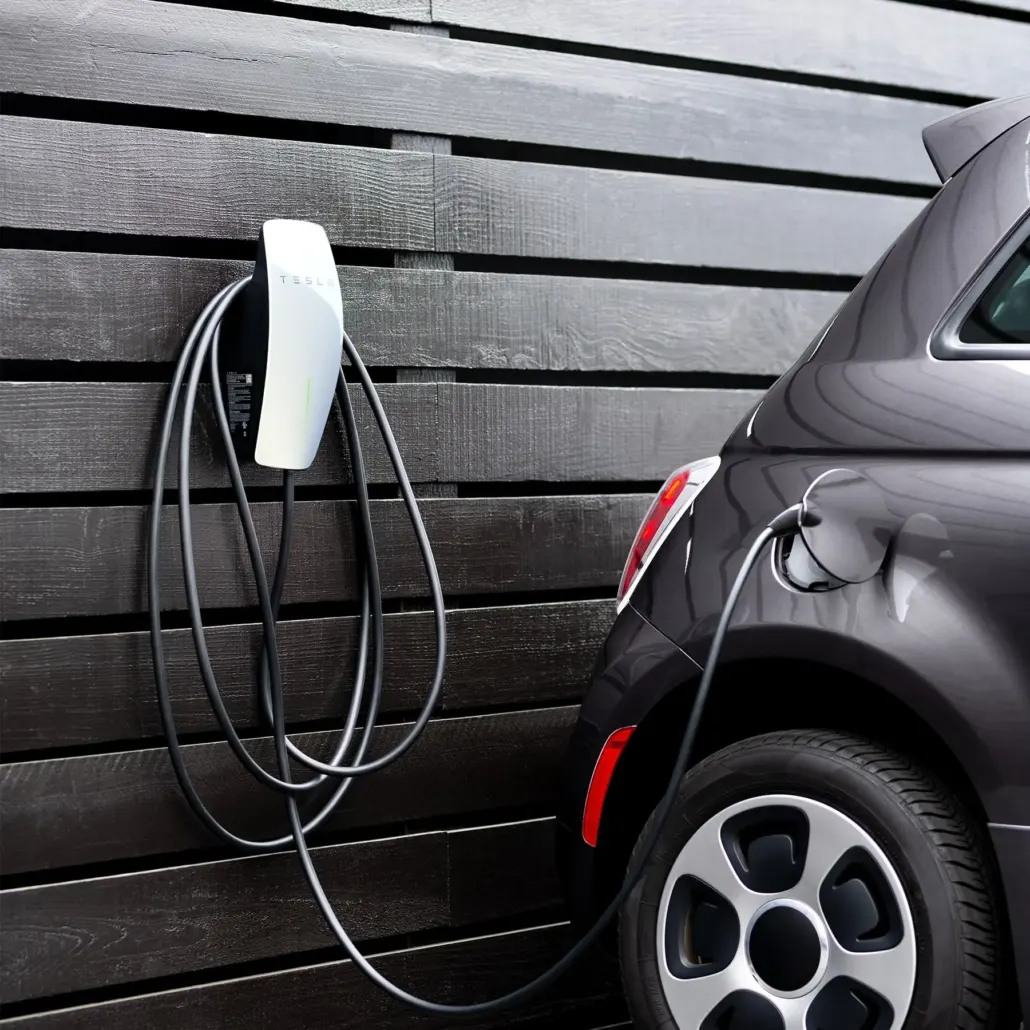
How fast
| Charger | Power | Range added per hour (approximate) |
|---|---|---|
| Three-pin plug (“granny” cable) | About 2.3 kW | Around 8 miles |
| Home charger | 7 kW | Around 25 to 30 miles |
| Home charger, three-phase supply | 22 kW | Around 80 miles |
| Public fast charger | 11 to 22 kW | Around 40 to 80 miles |
| Service station rapid charger | 50 kW and up | 170 miles or more |
Range per hour depends on your car’s efficiency and how much power it can take, so check the maker’s figures. Most cars accept 7 kW on AC; many are limited to that even at a 22 kW point.
What it costs at home
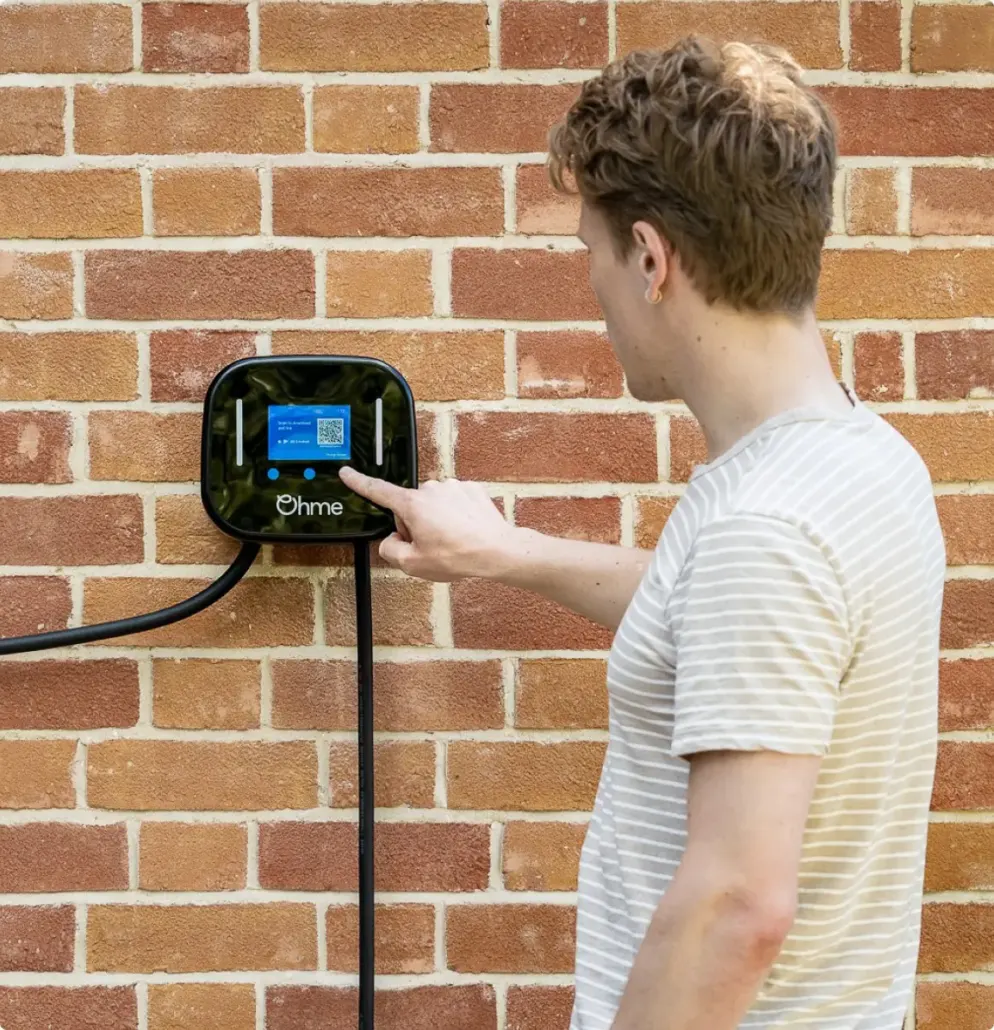
Charging at home overnight is the cheapest way to run an electric car, and the most convenient: you wake up to a full battery. The price depends on your tariff and your car’s battery, so here is the arithmetic rather than a single number.
- A 60 kWh battery charged from empty on a 7p per kWh overnight EV tariff costs about £4.20 and gives roughly 200 miles
- The same charge on a standard rate of 25p per kWh costs about £15
- Public rapid chargers are usually several times the standard home rate
Every charger we fit is a smart charger, so it can be told to charge only in the cheap hours, and several work directly with tariffs such as Intelligent Octopus Go. Which chargers work with which tariff.
Rates are illustrative (7p off-peak, 25p standard) and were chosen for the arithmetic, not quoted from a supplier. Update them if they date.